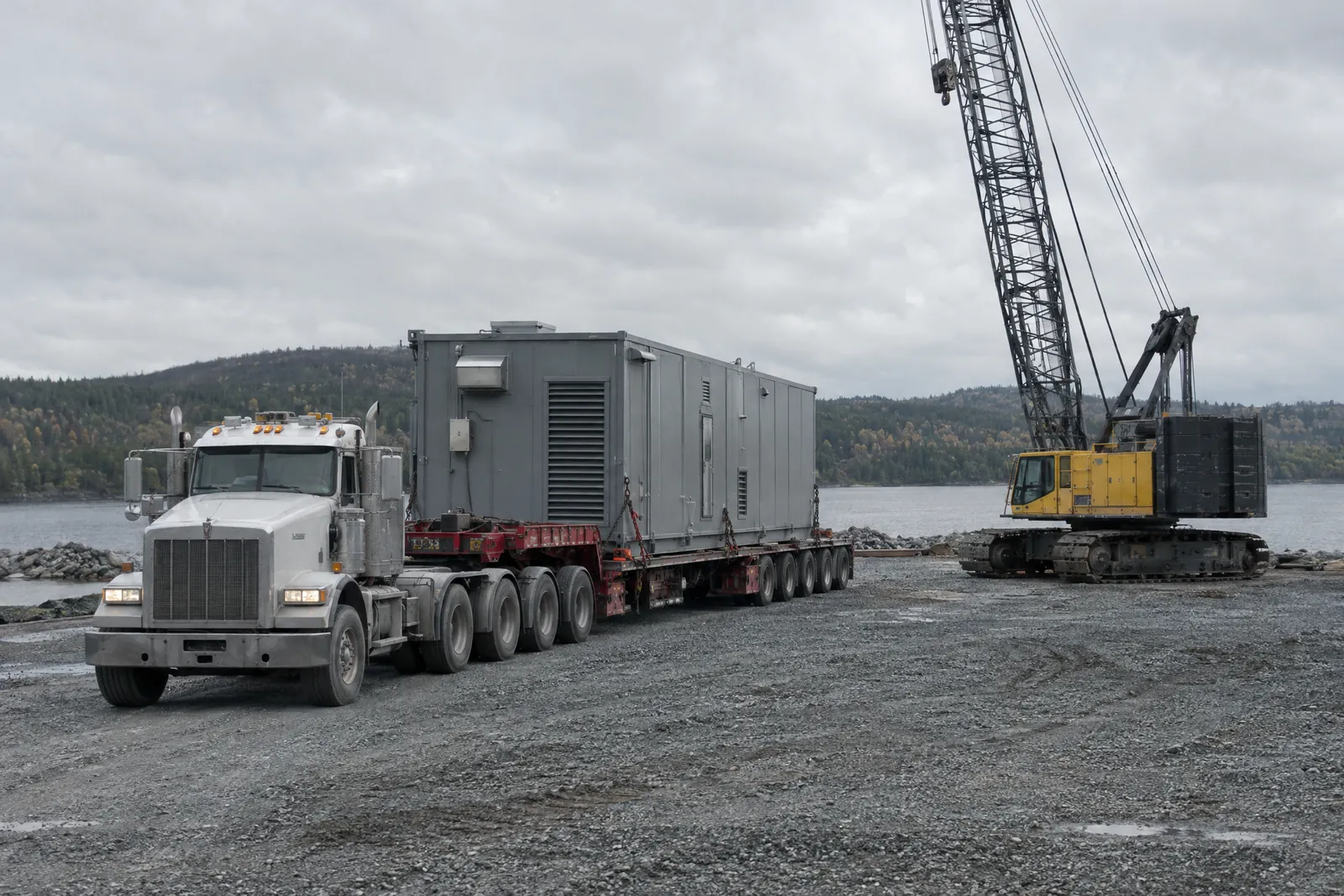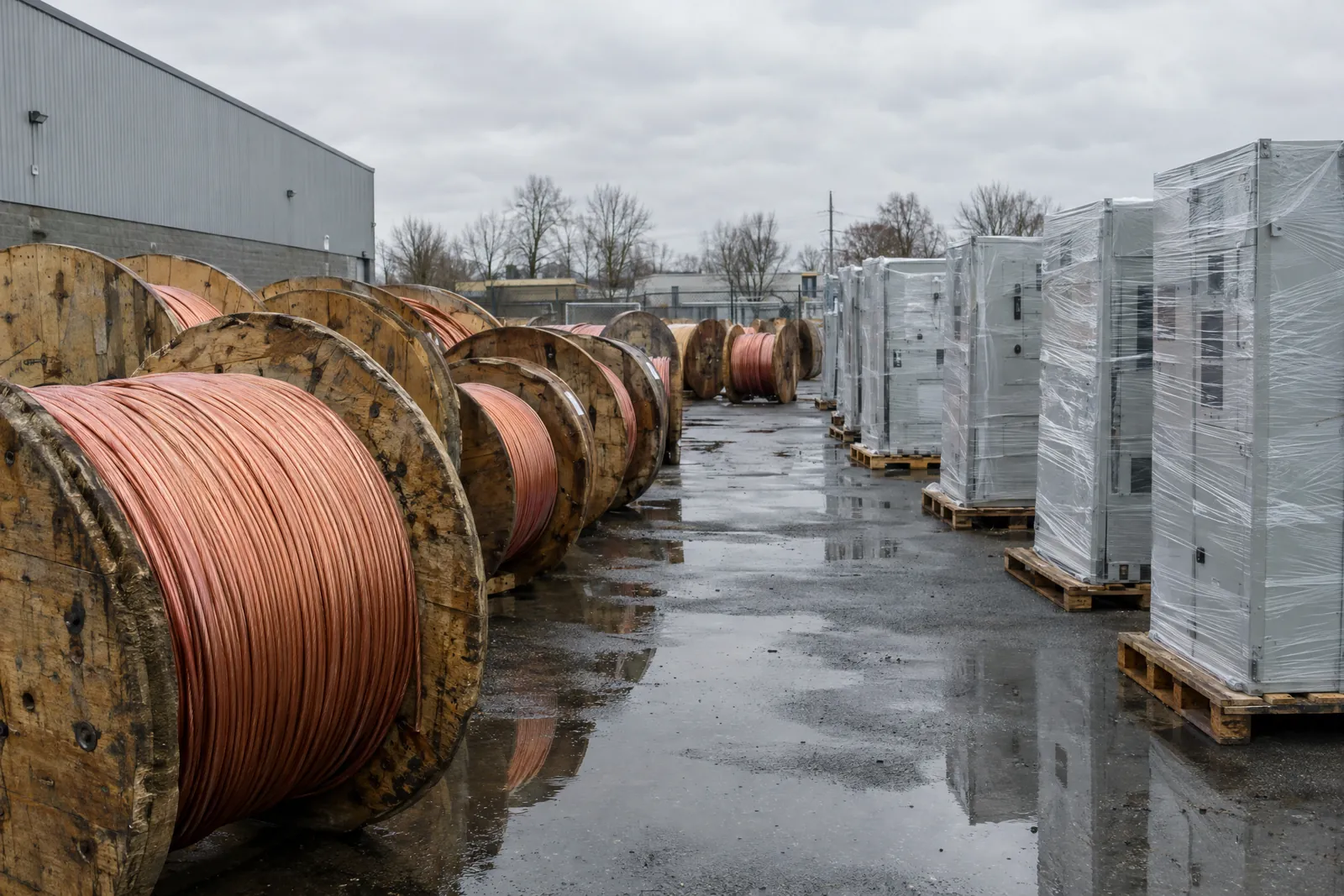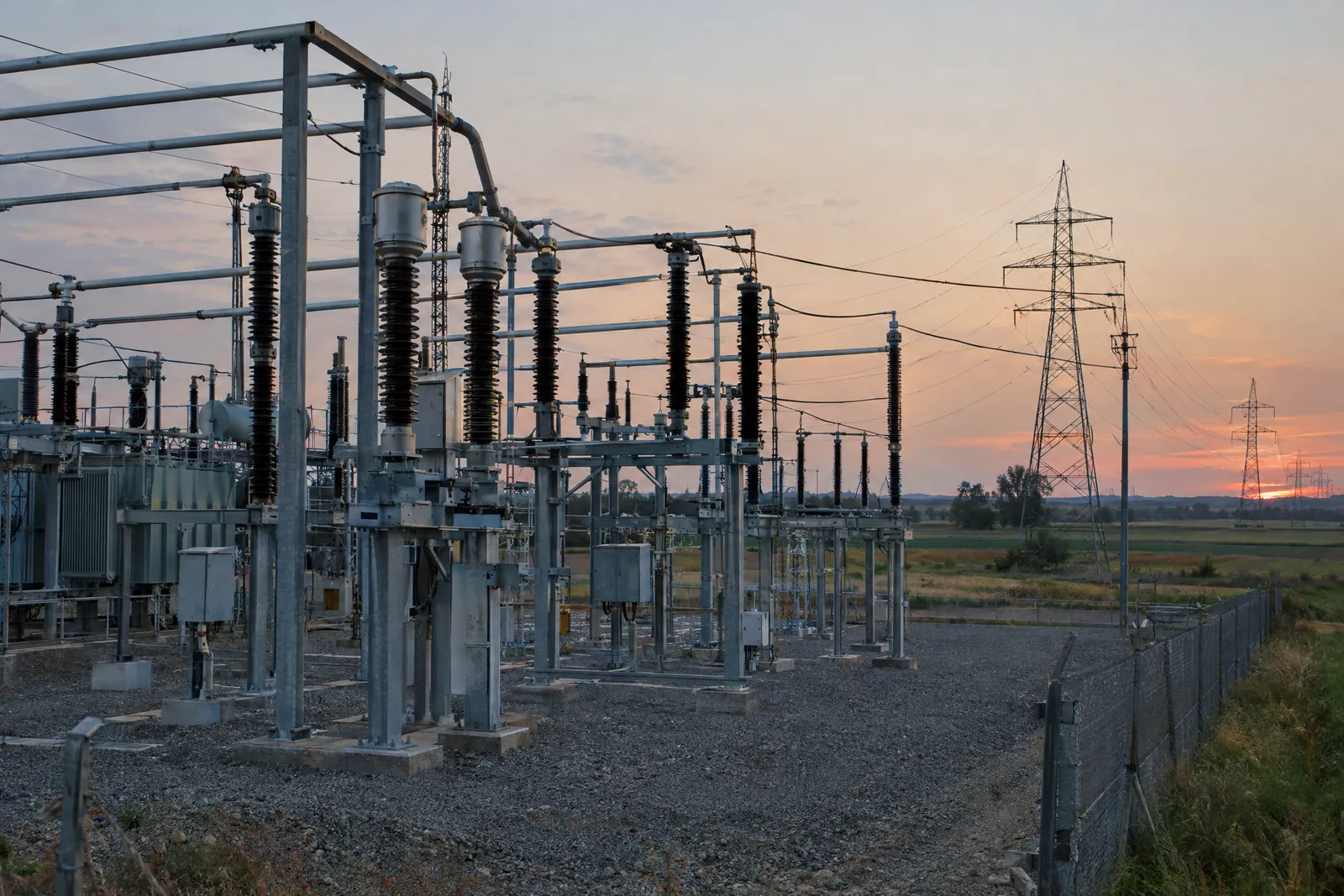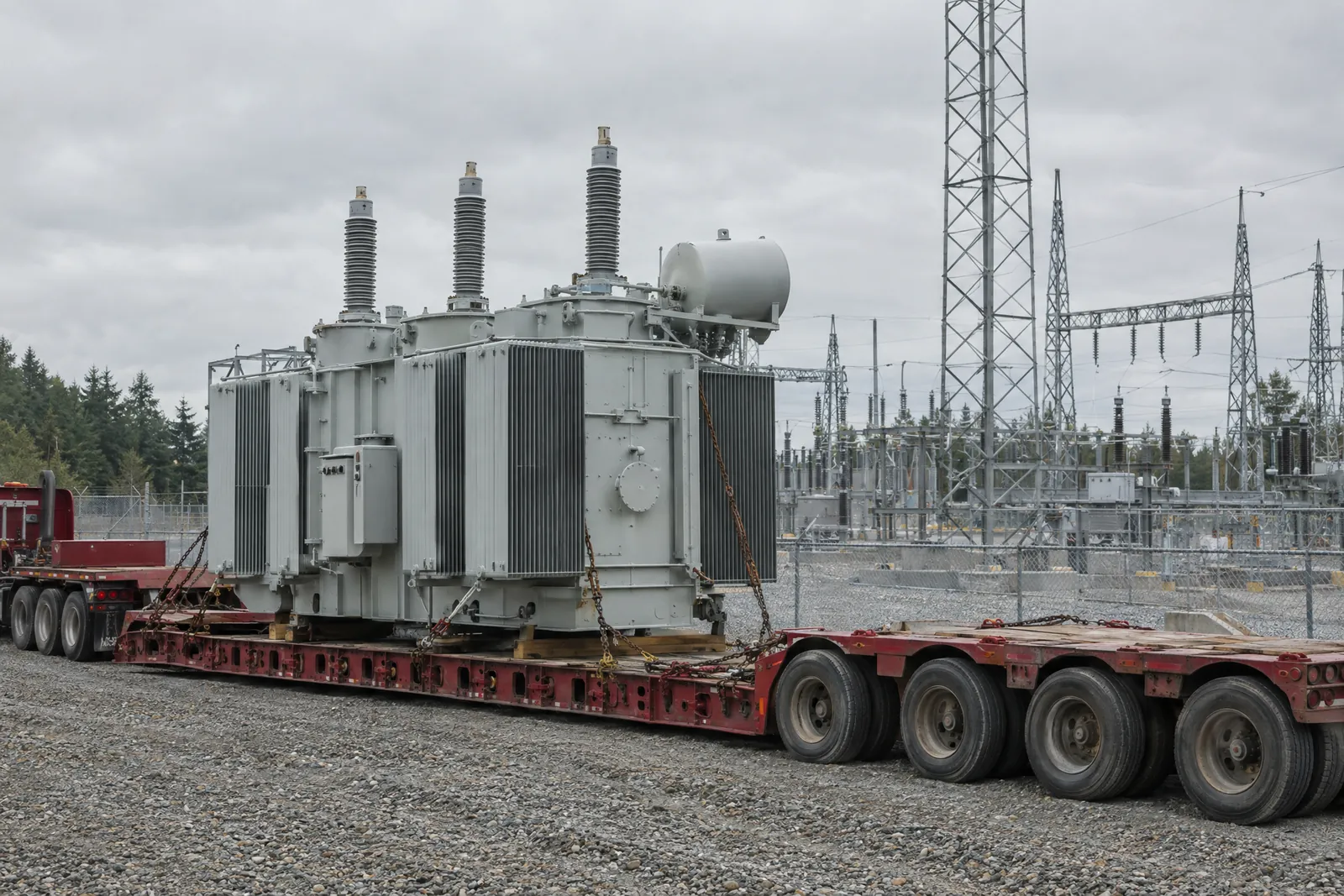
Power Magazine reported in late 2025 that large power transformer lead times have stretched to 128 weeks. That's not a typo. From the moment you place an order to the moment a unit arrives on site, you're looking at roughly two years and five months. And transformers aren't the only bottleneck in the electrical supply chain. They're just the most visible one.
The DOE's 2024 supply chain assessment confirmed what operators already suspected: the U.S. transformer manufacturing base hasn't expanded fast enough to meet simultaneous demand from data centers, EV charging networks, grid modernization, and renewable energy interconnection. Wood Mackenzie's analysis was blunt: the market is "structurally out of balance."
The Full Electrical Supply Chain Picture
Transformers get the headlines, but the problem runs deeper than a single component. Every major piece of electrical distribution equipment is experiencing extended lead times, and each one represents a potential schedule blocker for new data center construction.
These aren't isolated numbers. They compound. If your switchgear arrives at week 92 but your transformer doesn't show up until week 128, that's 36 weeks of idle equipment sitting on a concrete pad. And the carrying cost on a multi-million-dollar piece of switchgear isn't trivial.
Why Electrical Is the Largest Cost Line Item
Turner and Townsend's 2025 data center cost index puts the average build cost at $11.3M per MW of IT capacity. What surprises most people outside the industry is how that cost breaks down. Electrical infrastructure (transformers, switchgear, generators, UPS, distribution) accounts for 40 to 50 percent of total construction cost.
This cost structure means that electrical supply chain disruptions don't just delay projects. They inflate total cost. When copper prices rise 35% (as they have since 2022, per the London Metal Exchange), the impact cascades through every transformer, every run of bus duct, every distribution panel. That cost increase alone can add $1.5M to $2.5M per MW to a build.
What's Driving the Constraint
Demand Convergence
The transformer shortage isn't a data center problem. It's an everything-all-at-once problem. Multiple sectors are simultaneously demanding the same manufacturing capacity, and the global production base hasn't kept pace.
Data centers are the most visible demand driver, but they're not alone. The U.S. grid modernization effort requires replacing aging transformers installed in the 1960s and 1970s that are now past their 40-year design life. EV charging infrastructure buildout, driven by both federal incentives and state mandates, requires step-down transformers at every fast-charging station. And renewable energy interconnection (solar farms, wind farms, battery storage facilities) each requires substation-class transformers to connect to the grid.
Fast Company reported in 2025 that U.S. transformer demand is projected to exceed domestic manufacturing capacity by 30 to 40 percent through at least 2028. That gap isn't closing quickly because building a new transformer manufacturing facility takes 3 to 5 years and requires specialized equipment and trained workers that are themselves in short supply.
Material Constraints
The physical materials inside transformers face their own supply pressures. Grain-oriented electrical steel (GOES), the specialized silicon steel used in transformer cores, is produced by a handful of mills worldwide. Japan, South Korea, and Germany account for roughly 70% of global GOES production, and capacity additions take 2 to 3 years to bring online.
Manufacturing Base Limitations
The DOE's assessment identified a structural problem: the U.S. has only a handful of facilities capable of manufacturing large power transformers (100 MVA and above). Imports fill much of the gap, but shipping a 200-tonne transformer from overseas adds 8 to 12 weeks to delivery timelines and introduces logistics challenges: these units require specialized rail cars and route surveys for oversize loads.
And it's not just the final assembly that's constrained. The supply chain for transformer components (bushings, tap changers, cooling radiators) has its own set of bottlenecks. A transformer manufacturer might have capacity to build 20 units per month, but if their bushing supplier can only deliver 15, the effective output is 15.
The Financial Impact on Data Center Projects
A 128-week lead time on transformers doesn't just mean waiting. It means carrying cost on land, carrying cost on partially completed facilities, and opportunity cost of revenue that can't be generated until the facility is energized.
| Cost Category | Traditional Build | 128-Week Delay Impact |
|---|---|---|
| Land carrying cost (10 MW site) | $120K/year | $295K over 128 weeks |
| Construction Financing | 6 to 8 percent annually | $13.6M to $18.1M on $113M project |
| Equipment Idle Cost | Negligible | Insurance + maintenance on staged equipment |
| Revenue Opportunity Cost | n/a | Lease revenue deferred until the facility is energized |
For a 10 MW facility at $11.3M per MW, that's a $113M project where the electrical infrastructure (the 40 to 50 percent slice) is the single gating item on the critical path. And the kicker: if you haven't already placed your transformer order, your 128-week clock hasn't started yet.
Pre-Engineered Modular: Working Around the Bottleneck
The modular approach to data center construction wasn't invented to solve supply chain problems. It was designed for speed and repeatability. But the current supply chain environment has made it the most practical path to delivering capacity in a reasonable timeframe.
How Modular Changes the Timeline
Pre-engineered modular data centers use standardized electrical designs that can be sourced from a broader range of manufacturers. Instead of a single custom 50 MVA transformer, a modular design might use multiple smaller units (5 to 10 MVA class) manufactured by a wider pool of suppliers with shorter lead times.
The key difference isn't just smaller equipment. It's the design philosophy. Modular electrical systems are pre-engineered for repeatability. The drawings don't change from project to project. The BOM (bill of materials) is locked. Suppliers are pre-qualified and often hold buffer inventory for standardized components.
That standardization also compresses the permitting timeline. AHJs are more familiar with designs they've reviewed before, and pre-tested assemblies reduce the scope of field inspection.
Vertical Integration: Controlling the Critical Path
Beyond modularization, operators are increasingly pursuing vertical integration of their electrical supply chain. This means either manufacturing electrical assemblies in-house, acquiring suppliers, or establishing long-term supply agreements that reserve capacity allocation.
The logic is straightforward. If transformers are the critical path, and you can't control the external supply chain, you need either a reserved allocation or an alternative design that avoids the bottleneck entirely. Vertical integration gives you one or both.
What This Means for Capacity Planning Through 2028
The math isn't complicated. A 128-week transformer ordered for energized capacity by the end of 2028 had to be placed around the second quarter of 2026. That date has passed. An order placed in October 2026 lands in 2029. For operators who have not already secured the electrical path, the window for a 2028 energization is closed.
There are three realistic options for organizations that missed the procurement window:
There's a third option: wait. But in a market where demand for AI compute is growing at the rate Mordor Intelligence projects (GPU-as-a-Service at 28.7% CAGR through 2031), waiting means falling further behind. Every quarter of delay is a quarter of revenue lost to competitors who planned ahead.
The supply chain isn't going to fix itself by next quarter. Copper prices show no signs of retreating. GOES capacity is expanding slowly. And the demand convergence (data centers, EVs, grid modernization, renewables) isn't temporary. This is the new normal for electrical infrastructure procurement.
Operators who recognized this early and shifted to modular, pre-engineered approaches aren't just saving time. They're maintaining the ability to deploy capacity at all, while traditional approaches are stuck waiting for a transformer that won't arrive for another two years.
A factory-built module does not shorten the transformer. It lets the module build run while the electrical order is already in. The schedule that matters is ready for service after the gear and the site are reserved.