Market Analysis - July 2026
The Bottleneck Moved From Silicon to Steel and Copper
For two years the story of AI infrastructure was GPU allocation. In 2026 the constraint that actually decides when a facility energizes is the least glamorous part of the build: the transformers, the switchgear, and the copper and steel around them. The chips are not the long pole anymore. The electrical gear is.
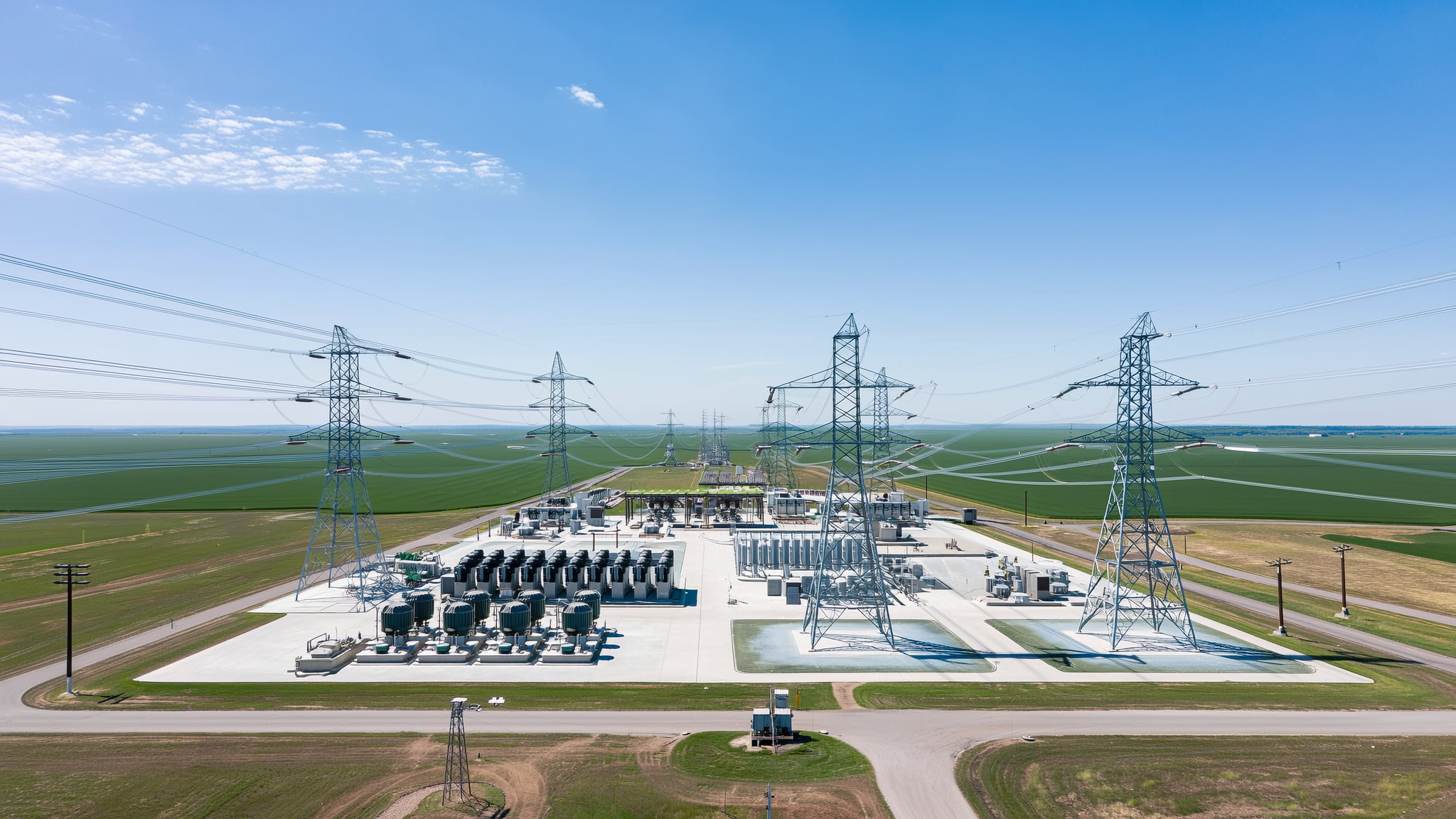
A developer can have GPUs allocated, capital committed, land secured, and a signed tenant, and still be two to four years from powering a rack, because the transformer that steps the utility voltage down to the facility has a lead time measured in years. This is the quiet inversion of 2026. The scarce input is no longer the accelerator. It is the mundane electrical equipment that has to sit between the grid and the compute, and it is scarce enough that it now sets the schedule for the entire industry.
The Numbers Behind the Inversion
Before 2020, a large power transformer took roughly 24 to 30 months to deliver. In 2026, lead times for high-voltage units have stretched to as long as 48 to 60 months, with some categories quoted at up to five years (POWER Magazine, Bloomberg, 2026). Generator step-up units and medium-voltage switchgear carry their own multi-quarter-to-multi-year queues. The demand side explains why: since 2019, demand for generator step-up units has grown 274 percent and for substation power transformers 116 percent (POWER Magazine, 2026), driven by grid modernization and the sheer scale of new generation and data center load hitting the order books at once.
The effect on the build pipeline is direct. Of the roughly 12 gigawatts of new US data center capacity slated for 2026, only about one third is under active construction, with electrical equipment, not chips, identified as the binding constraint (Build.inc, 2026). The GPUs are largely available. The steel and copper to power them are not.
The Number That Matters
A high-voltage transformer that took 24 to 30 months before 2020 can now take up to 48 to 60 months. When the transformer clock runs longer than the GPU generation itself, the electrical path is the schedule. Everything else is waiting on it.
Shortage, or Self-Inflicted Scramble?
Here is where the conversation gets more interesting than the headline. Not everyone agrees that this is a pure manufacturing shortage. POWER Magazine's own coverage frames the question as "shortage, scramble, or self-inflicted crisis," and there is a serious argument that a meaningful share of the lead-time blowout is procurement behavior: developers ordering early, ordering redundantly, and hoarding slots against projects that may never break ground. When every developer front-loads and double-books gear to protect a timeline, the queue lengthens for everyone, and the reported lead time reflects the panic as much as the physical constraint.
The same nuance applies to the widely repeated claim that half of 2026 US data center capacity has been delayed or canceled. That figure has been directly disputed by SemiAnalysis, which argued the number is overstated and the reality more differentiated. We treat it as contested, not fact. The honest read is that the electrical-gear crunch is real and binding, and that some of its severity is an artifact of how the industry orders, not only of how fast factories can build. Both things are true at once, and the distinction matters for what actually fixes it.
What Is Actually Contested
- That the electrical-gear crunch is real and now the binding constraint on 2026 capacity: broadly agreed.
- That lead times reflect a pure factory shortage rather than partly procurement panic and slot-hoarding: disputed (POWER Magazine).
- That "half of 2026 capacity is delayed or canceled": disputed by SemiAnalysis, treat as contested.
Why This Favors Standardization Over Bespoke Builds
If part of the problem is procurement chaos around bespoke, project-specific electrical designs, then the structural fix is standardization. A one-off campus specifies its transformers, switchgear, and distribution to a custom single-line diagram, then joins the same queue as everyone else with an order that cannot be pooled or forecast against volume. A factory that builds the same power block repeatedly can standardize the gear list, forecast it, and place volume orders against a known design, which is a fundamentally better position in a constrained supply chain than a series of unique one-time requests.
This is the argument for factory-integrated power infrastructure that most of the market talks around. When the power block is a repeatable product rather than a bespoke build, the long-lead gear becomes a planning problem you can get ahead of, not a surprise you discover after the tenant is signed. It does not repeal the physics of a 48-month transformer, but it changes who is holding a forecastable, poolable order versus who is holding a one-off request at the back of the queue.
The Supply-Chain Geography Underneath It
There is a second layer the transformer conversation usually skips: where the gear and its inputs come from. A significant share of certain transformer, switchgear, and battery categories traces back to a concentrated set of overseas suppliers, which layers tariff exposure and geopolitical risk on top of the raw lead-time problem. An electrical supply chain that runs through a single region is a lead-time risk and a policy risk at the same time.
For a builder whose manufacturing base sits outside that concentration, this is a real and quiet advantage, not a talking point. Diversified sourcing does not make a transformer arrive faster in the abstract, but it reduces the correlated risk that a tariff action or a single-region disruption freezes the one input the entire build is waiting on. In a market where the electrical path is the schedule, where that path is sourced is part of the schedule too.
The Practical Read
The takeaway for anyone planning capacity in 2026 is to stop treating power gear as a procurement afterthought and start treating it as the critical path it has become. Ask, on any project, where the transformers and switchgear are in their lead-time queue before you ask anything about the compute. A GPU allocation with no path to a transformer is not a timeline. It is a deposit on a wait.
The winners in this cycle are not the operators with the most chips. They are the ones who secured the electrical path early, standardized what they could, and diversified where it comes from. The bottleneck moved from silicon to steel and copper, and the builders who noticed first are the ones who will be energized while everyone else is still reading a lead-time quote.
Where Is Your Electrical Path in the Queue?
The transformer, not the GPU, sets the floor on when you energize. Check your own readiness against the long-lead items that actually gate delivery.
Open the AI Readiness ChecklistFurther reading
- 128-Week Transformer Lead Times - the deeper look at why electrical gear, not the build, sets the floor on delivery.
- How to Read a Grid Interconnect Queue - the other half of the power timeline, upstream of the meter.