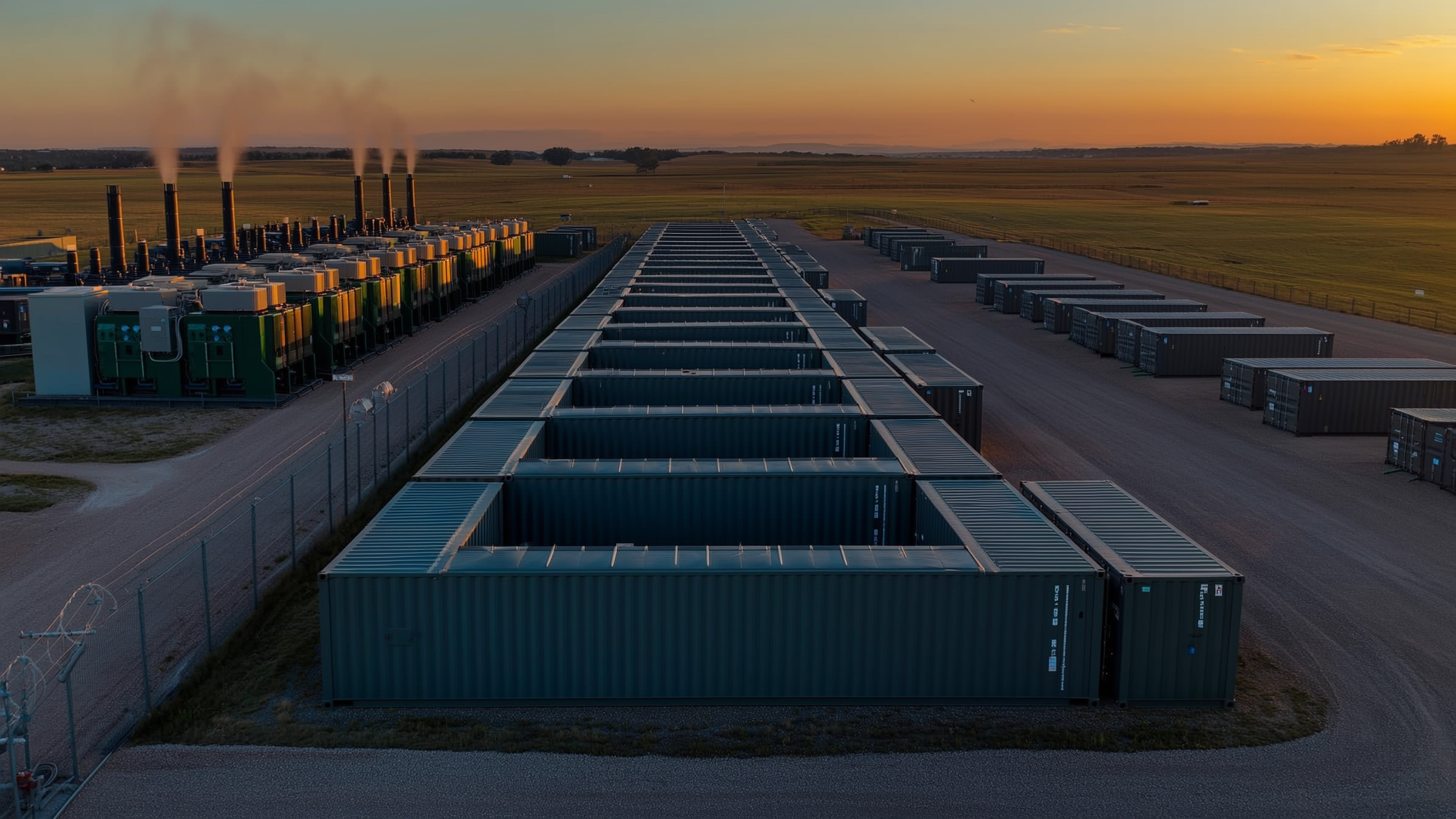
GPU colocation on power that already exists. Rack-ready on a committed date.
Liquid-cooled capacity for GB300 and B300 class clusters, on US positions where the power is energized or contracted. Standardized, factory-built deployments, power passed through at cost, and a ready-for-service date written into your Service Order. You ship hardware.
210 MW
Portfolio capacity
12
Power-ready positions
250 kW
Per position, maximum
5 to 8 mo
Service Order to live
At cost
Power, no markup
Your GPUs depreciate
whether they run or not.
A cluster that lands before its power does is capital earning nothing. The shortest path to revenue is a position where the power already exists.
$0.8M to $2.0M
Per MW, per month of delay
Every month a GB300 cluster waits for power costs roughly $0.8 million to $2.0 million per MW.
Time to power a new AI load, drawn to scale
Months
What waiting costs your cluster
$96M to $240M
of idle capital carried while the cluster waits
Basis: GB300 NVL72 rack capital of $5.0 million to $6.5 million at 132 to 140 kW ($36 million to $49 million per MW of IT), a 10 to 15 percent cost of capital and a three to six year economic life. Indicative, not a quotation. Utility timeline: Where a new line is needed, a large new load typically waits 6 to 18 months for utility studies and 18 to 60 months more for construction. Source: Lawrence Berkeley National Laboratory, Speed to Power, June 2026. Syaala position: From Service Order to ready for service, including site works, by position.
Power already secured.
Not a queue ticket.
We do not start from raw land and an interconnection queue. Every position in the portfolio carries power that is energized, contracted, or under an approved interconnect. Syaala sites and qualified partner positions are shown together below. Position identity and documentation are disclosed at registration under NDA.
Texas
ERCOT
Brownfield positions with utility agreements in place. The largest carry 20 MW each in a single facility.
Southeast
TVA and regional utilities
Energized partner sites, two development-ready parcels, and an interconnected portfolio converting to AI and HPC load.
Mid-Atlantic
Investor-owned utility
Existing industrial building with a secured equipment yard, on a utility expansion roadmap past 60 MW.
How large a deployment can land
Single position
Whole-position take. The fastest capacity in the portfolio.
Single position
Energized and power-ready today.
Single facility
One site, one pad, one Service Order.
Phased portfolio
Across established sites with interconnection already in place.
Phased in tranches
Two positions at this size. Delivered as demand contracts.
Capacity is allocated in the order Service Orders execute. Requirements above a single position are phased across the portfolio under one Master Services Agreement. Figures are indicative and non-binding: capacity, pricing and ready-for-service dates are established in the Master Services Agreement and a per-site Service Order.
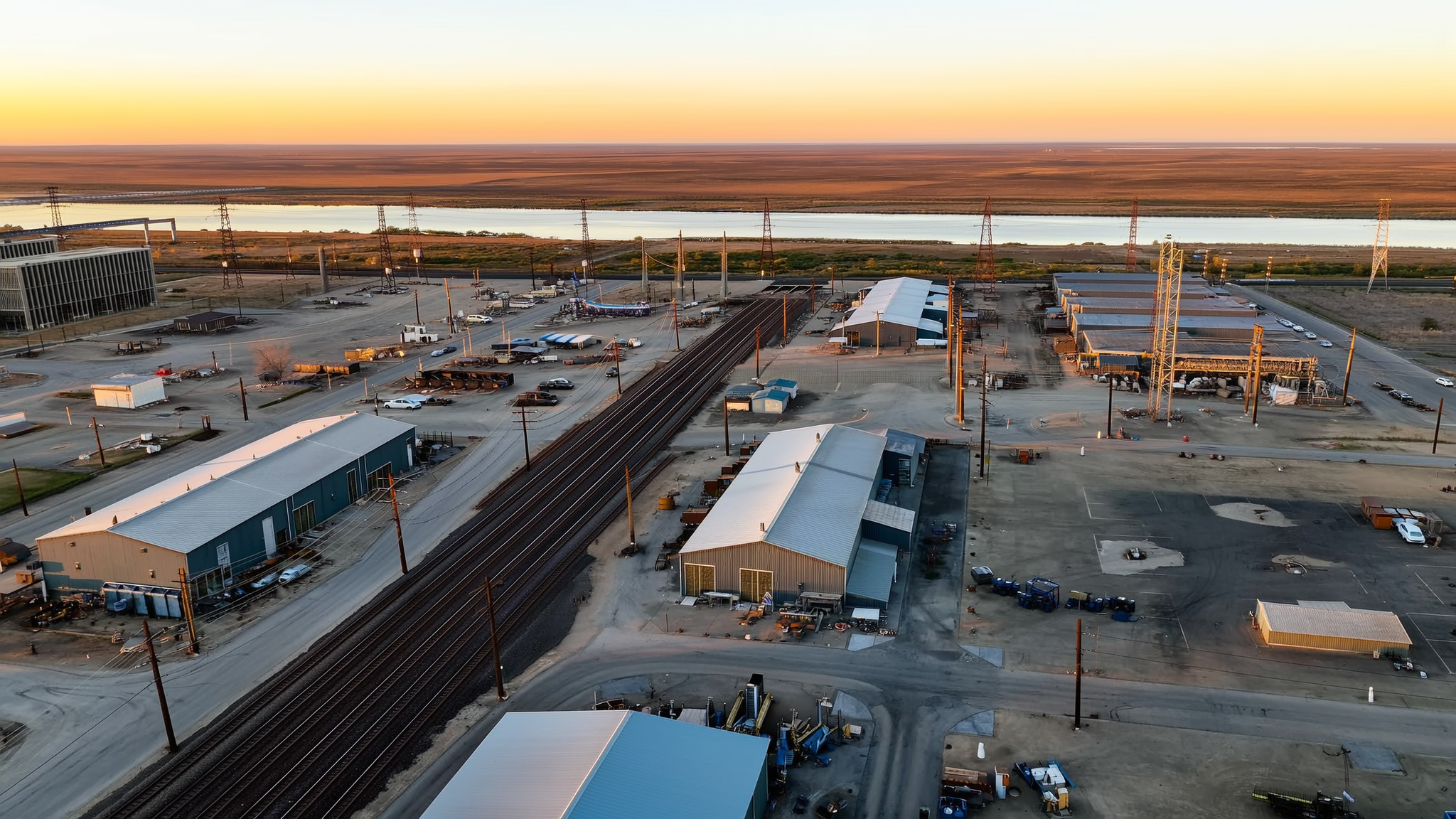
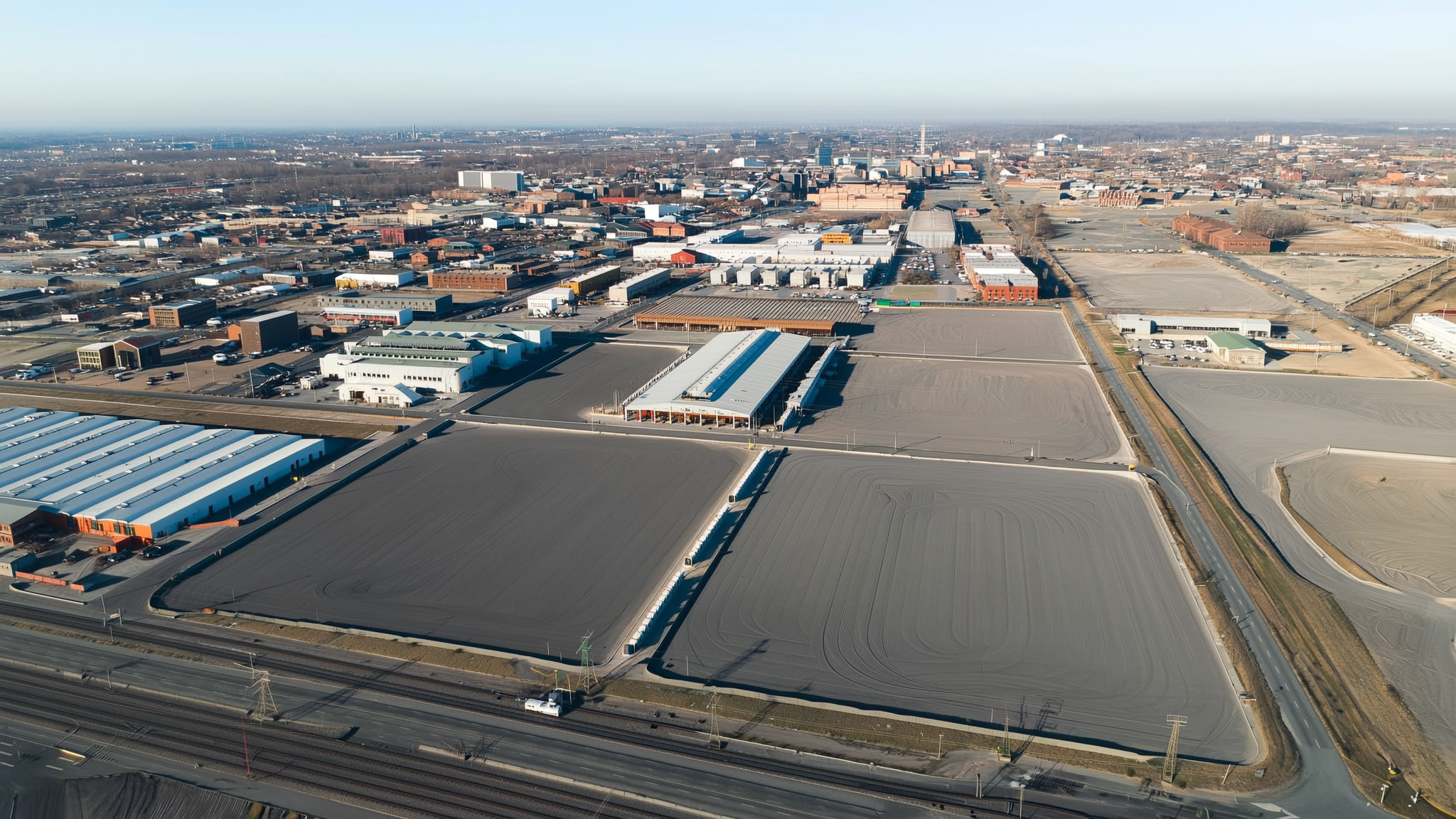
Representative industrial imagery. Site-specific imagery, utility documentation and the diligence room are provided at registration.
Standardized deployments.
Repeatable on every position.
Every position is built from the same factory-built, witness-tested blocks, so the capacity you contract next looks, performs and is maintained like the capacity you run today. The pad is prepared while the blocks are built, which is what takes construction risk out of your date.
1.6 MW
Standard increment
Sites scale in whole increments
8
Positions each
Provisioned to the configuration
1.20
Design PUE
Measured PUE after 12 months
Witnessed
Factory test
Before anything ships
Equipment is supplied to the listing and code requirements of the serving jurisdiction, and the compliance scope is agreed in writing before manufacture rather than resolved at site.
Written site fit
Capacity, density, redundancy, network and the date you need it live. We come back with a written site fit and indicative pricing before anything is contracted.
MSA and Service Order
One Master Services Agreement, then a Service Order per site carrying the capacity, the price and a committed ready-for-service date.
Factory and site, in parallel
Manufacture and witnessed testing run while site works, utility connection and carrier delivery run alongside. The two schedules do not queue behind each other.
Ready for service
Delivered, set, commissioned and handed over rack-ready, with cooling pressurised and tested before your hardware arrives. You ship, we rack.
What the clock measures
4 to 8 months
By position
Our timeline runs from Service Order execution and long-lead equipment release through to ready for service. It carries the site works, the manufacture, the delivery, the commissioning and the network inside it. It is not a factory lead time quoted from the day a finished site is already waiting, which is the number this industry usually advertises.
Inside it, the block itself is on the standard programme: Ready for service in 4 to 8 months.
Two configurations.
One standard design.
We build to the rack you are deploying. Both configurations sit on the same standardized design, so the commercial terms and the delivery schedule do not move with the choice. Cooling is factory pre-commissioned either way, so there is no on-site liquid work on your side.
Provisioned
200 kW per position
Operating class
133 to 142 kW measured
Cooling
Direct liquid to the rack
Positions
8 per 1.6 MW increment
Design PUE
1.20 design
Basis
The standard 1.6 MW block. A 250 kW per position option on the same design carries Vera Rubin class racks.
Air-cooled and mixed air and liquid deployments are configured at the site fit and priced on the same basis. Supported rack load, redundancy and failure response are confirmed against the rack manufacturer data sheet as part of the written site fit.
Priced on contracted capacity.
Power at cost.
Hosting is billed on contracted critical IT, take-or-pay. Power is metered and passed straight through at what the utility charges, with no markup between the utility bill and yours. There is nothing else in the bill beyond per-order services.
Your monthly bill
Per kW of contracted critical IT, per month
Hosting
$150 to $220
Indicative, by position, term and committed capacity. Take-or-pay on contracted critical IT. Longer terms, stronger covenants and larger commitments price toward the lower end.
Power
At cost
Roughly $0.055 to $0.10 per kWh by position and tariff, grossed up at a design PUE of 1.20. Measured PUE applies after twelve months.
All-in at typical AI load profiles on the lowest-cost positions. Higher tariffs land above this.
$200 to $225
The contract, end to end
Ready for service in 4 to 8 months. Any site gate is stated in the written site fit. Delay accrues defined service credits, and a longstop date gives you a termination right for the affected capacity.
Budgetary and indicative. Cross-connects and carrier charges are per Service Order, and there is nothing beyond hosting, power pass-through, the build charge and per-order services. Definitive pricing, capacity commitments and ready-for-service dates are established exclusively in Syaala's Master Services Agreement and an executed per-site Service Order.
Conventional.
Sized to the covenant.
We tell you what the structure will be before you spend time on it. Nothing here is unusual, and none of it is a surprise late in a negotiation.
The signing entity
We underwrite whoever signs. Where a reseller’s end customer is the contracting party, we look through to that end customer, and an approved end customer can sign as the named customer.
Its covenant
Financial statements or public filings, the capacity and term being committed, and the build-charge schedule itself.
Security, sized to it
Agreed in the Service Order rather than imposed, from the forms below.
- ↓A listed counterparty
- ↓A direct guarantee from a stronger entity
Security is sized to the covenant of the signing entity, not to a rating we have asserted on anyone's behalf. The full credit requirements schedule is provided with the Master Services Agreement and the Service Order for legal review.
You bring the compute.
We bring everything under it.
Site, power, cooling, network, security, operations and monitoring are ours. Hover a layer to see what it covers.
Your compute
You bring the racks and ship them when the capacity is ready. You tell us the rack, the density and the redundancy you need; we design power, cooling and network to match, confirm it in a written site fit, and build it.