Market Analysis - August 2026
Right-Size to the Power You Can Actually Get
The industry has framed the power problem as a binary. Wait years in an interconnection queue for grid capacity, or build your own generation behind the meter and start now. Both answers assume the same thing: that the build is a fixed, large number and the only variable is how you power it. Flip that assumption and a third option appears.
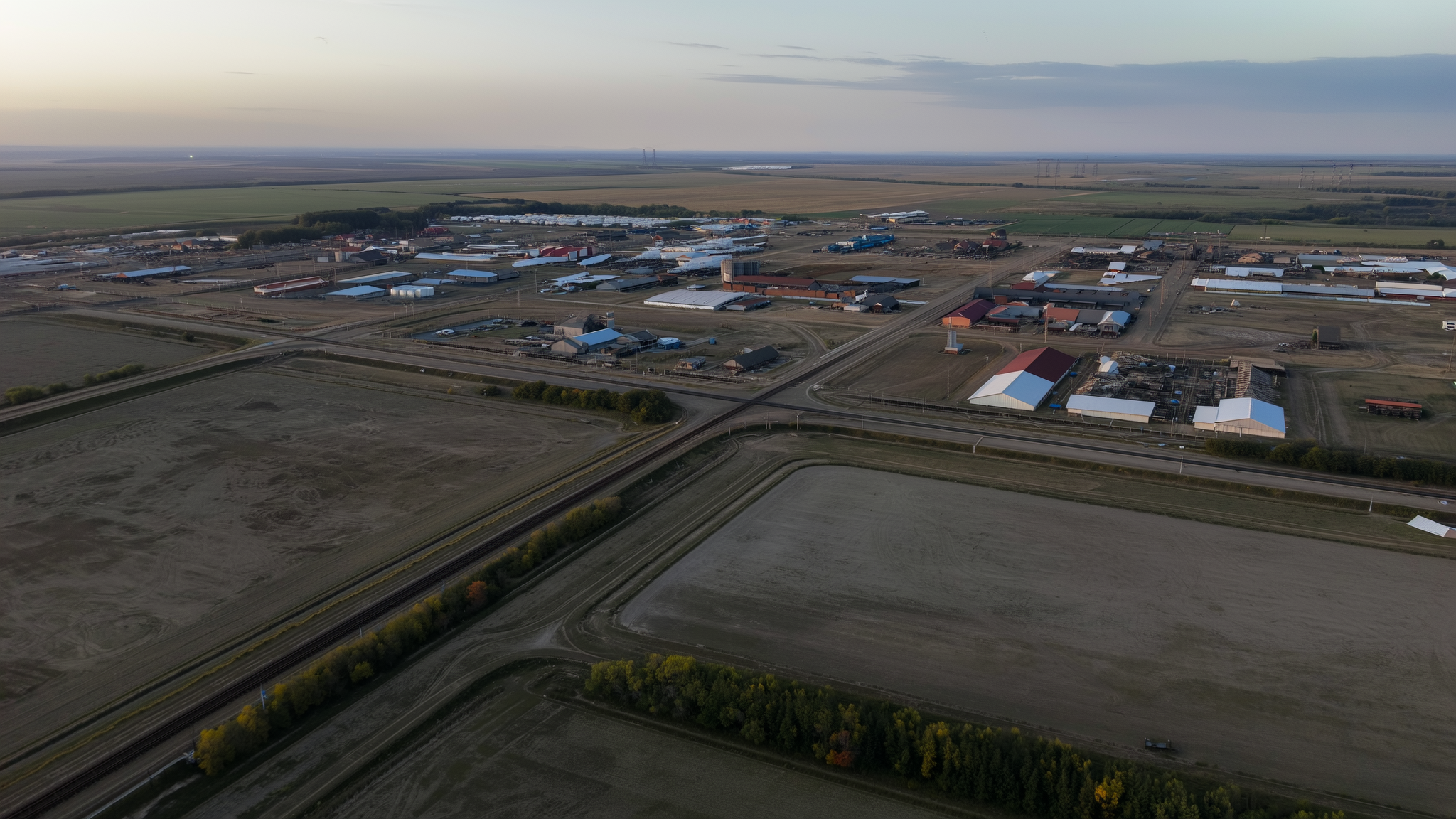
The default AI infrastructure project in 2026 starts with a target: a 300 megawatt campus, a gigawatt program. Then it goes looking for the power to fill that target, and runs straight into the two hard walls of the current market. The grid says wait. Behind-the-meter generation says pay and commit. Both walls exist because the build was sized first and the power was solved second. The projects that are actually energizing capacity now are the ones that reversed that order.
The Two Walls, Measured
The grid wall is well documented. US interconnection queues hold roughly 2,600 gigawatts of capacity waiting for study, and the median time from request to commercial operation is approaching five years, with large data center loads in some regions facing far longer (Lawrence Berkeley National Laboratory, "Queued Up," 2026). A queue position is not a delivery date. For a project working to a near-term energization target, a five-year clock that starts at filing is a disqualification unless the site is already well along.
Behind-the-meter generation is the response the market has converged on. Self-generated power, gas turbines, reciprocating engines, fuel cells, can compress a multi-year interconnection wait into a timeline measured in months, with modular generation packages operational in roughly 12 to 24 months (industry reporting, 2026). More than 40 gigawatts of behind-the-meter and co-located generation is being tracked across the country, adopted by the largest operators (Meta, Amazon, Microsoft, Google, Oracle, xAI, Crusoe, and a growing roster). It works, and it is not a fringe move anymore.
The Number That Matters
Grid interconnection: median approaching five years, longer for large loads. Behind-the-meter generation: roughly 12 to 24 months. The gap is why 40-plus gigawatts of self-generation is being built. But both paths assume the build is a fixed large number the power must catch up to.
The Honest Cost of the Behind-the-Meter Bridge
Behind-the-meter is not a free lunch, and the more thoughtful voices in the debate say so. Self-generated gas locks an operator into fuel-price exposure and emissions exposure at exactly the moment regulators and communities are scrutinizing data center power. There is a real stranded-asset risk: build a dedicated gas plant to bridge a five-year grid wait, and you may be operating and maintaining that plant well after the utility interconnect you were waiting for finally arrives. The bridge can outlast the gap it was built to cross.
This is the part the "just build your own power" pitch skips. Behind-the-meter solves the timeline, but it does so by taking on a generation asset, and a generation asset sized to a 300 megawatt campus is a large, long-lived, single-purpose bet. If demand softens, if the tenant walks, if the grid catches up, that asset does not shrink to match. The risk scales with the size of the build you committed to before you knew the power was there.
The Third Option: Size the Build to the Power
Here is the assumption both walls share, and the one worth breaking: that the build is a fixed large number. It does not have to be. Instead of setting a 300 megawatt target and then fighting for the power to fill it, you can size the deployment to the power that is actually energizable at a given site right now, and grow it as more power comes online. A purpose-built block sized to the capacity behind an available substation is a deployment you can turn on in the near term, without a five-year queue and without betting the project on a dedicated generation plant.
This is what "power-first" actually means when you take it seriously. It is not choosing a market with more power in the abstract. It is letting the available power set the size of the increment. A modular block matched to real, near-term power at a secondary-market site is live while the megaproject at the saturated market is still in a study cycle. And because the increment is small and defined, the stranded-asset risk that haunts behind-the-meter at campus scale is proportionally smaller. You are not committing a gigawatt of generation to a bet. You are matching a block to power you can confirm.
Reversing the Order of Operations
- The default: set a large fixed build target, then fight the grid or build dedicated generation to fill it. The risk scales with the target.
- The third path: let the power that is energizable now set the size of the increment, and add increments as more power comes online.
- The result: near-term energization without a five-year queue, and a stranded-asset exposure sized to a block, not a campus.
Where This Wins, and Where It Does Not
Right-sizing to available power is not the answer for every workload. A single hyperscale training run that needs a gigawatt in one place cannot be met by a series of small increments, and for that buyer the megaproject-plus-generation path is the real one. The honest scope of the right-size argument is the large and growing middle: enterprise AI, inference at scale, regional capacity, and the many buyers who need real megawatts soon but do not need all of them in one monolithic block on day one.
For that middle, the megaproject default imposes a cost that nobody prices: the years of waiting, or the generation asset you over-committed to, all to hit a build size you chose before you knew the power was there. Sizing to the power removes that cost. It trades the ambition of a single giant number for the reality of energized capacity, sooner, with risk that scales with the increment rather than the dream.
The Practical Read
Before you set a build target, ask what power is actually energizable at the site in the near term, and let that answer size the first increment. A block matched to confirmed power beats a campus waiting on a queue, and it beats a dedicated generation plant sized to a target you picked before the power was real. The grid wall and the behind-the-meter wall are both consequences of sizing the build first. Size the power first, and the walls get a lot lower.
How Much Power Can You Actually Energize?
The right first increment is the one that matches confirmed, near-term power. Check your site and load against what deploys now versus what waits in a queue.
Open the AI Readiness ChecklistFurther reading
- How to Read a Grid Interconnect Queue - why a queue position is not a delivery date, and what actually gates energization.
- Where Midmarket Compute Actually Deploys - the power-first secondary markets absorbing demand as primary markets saturate.