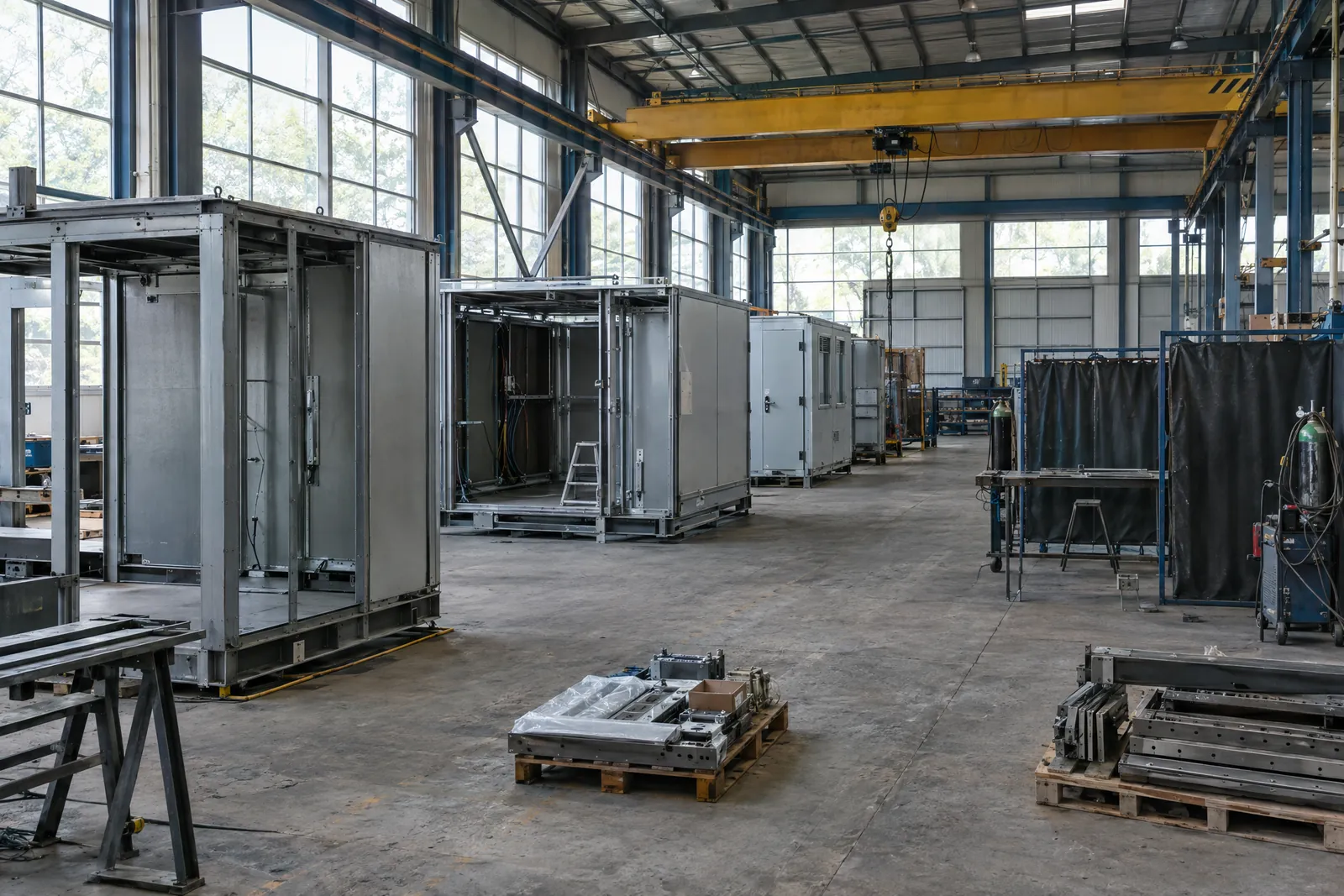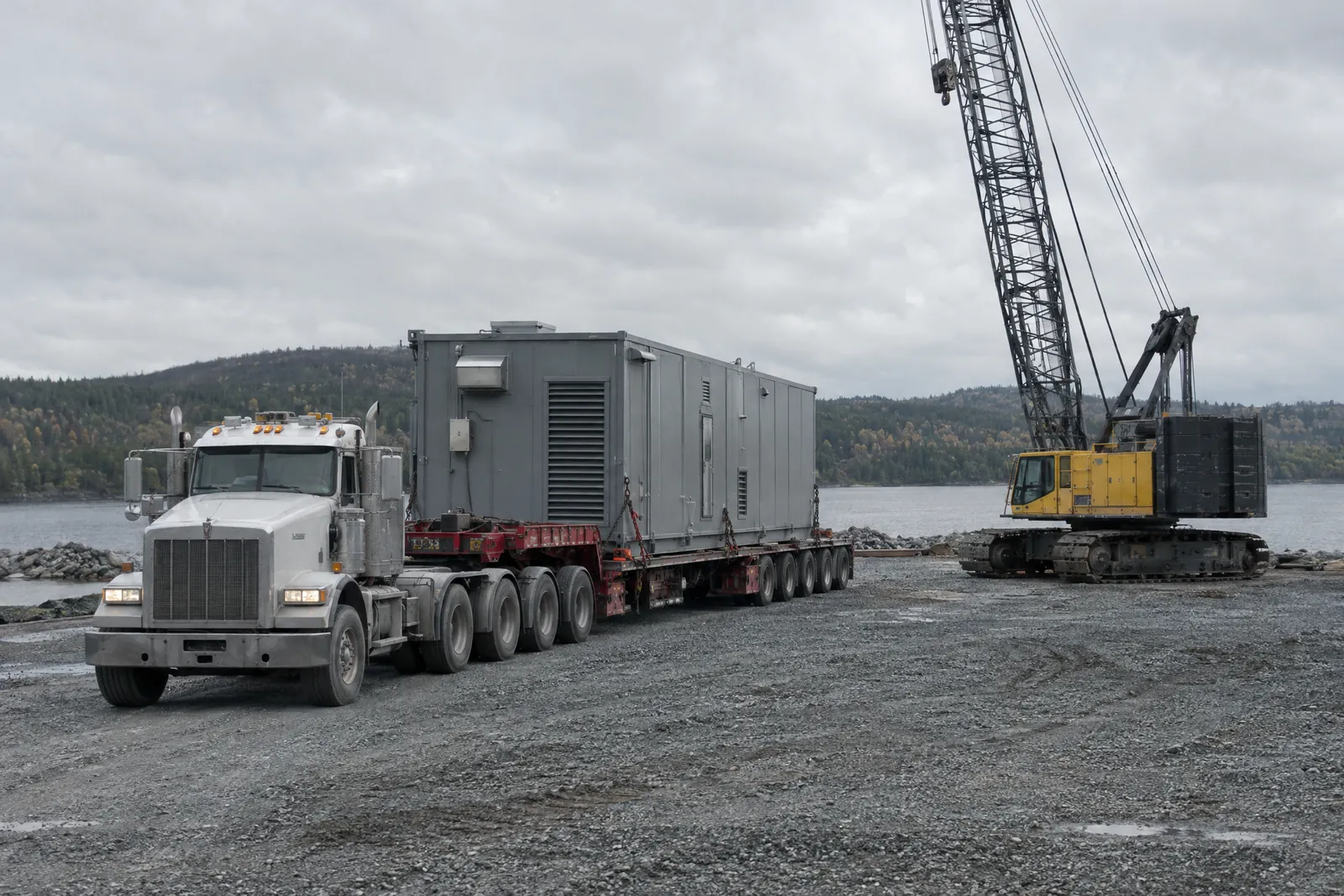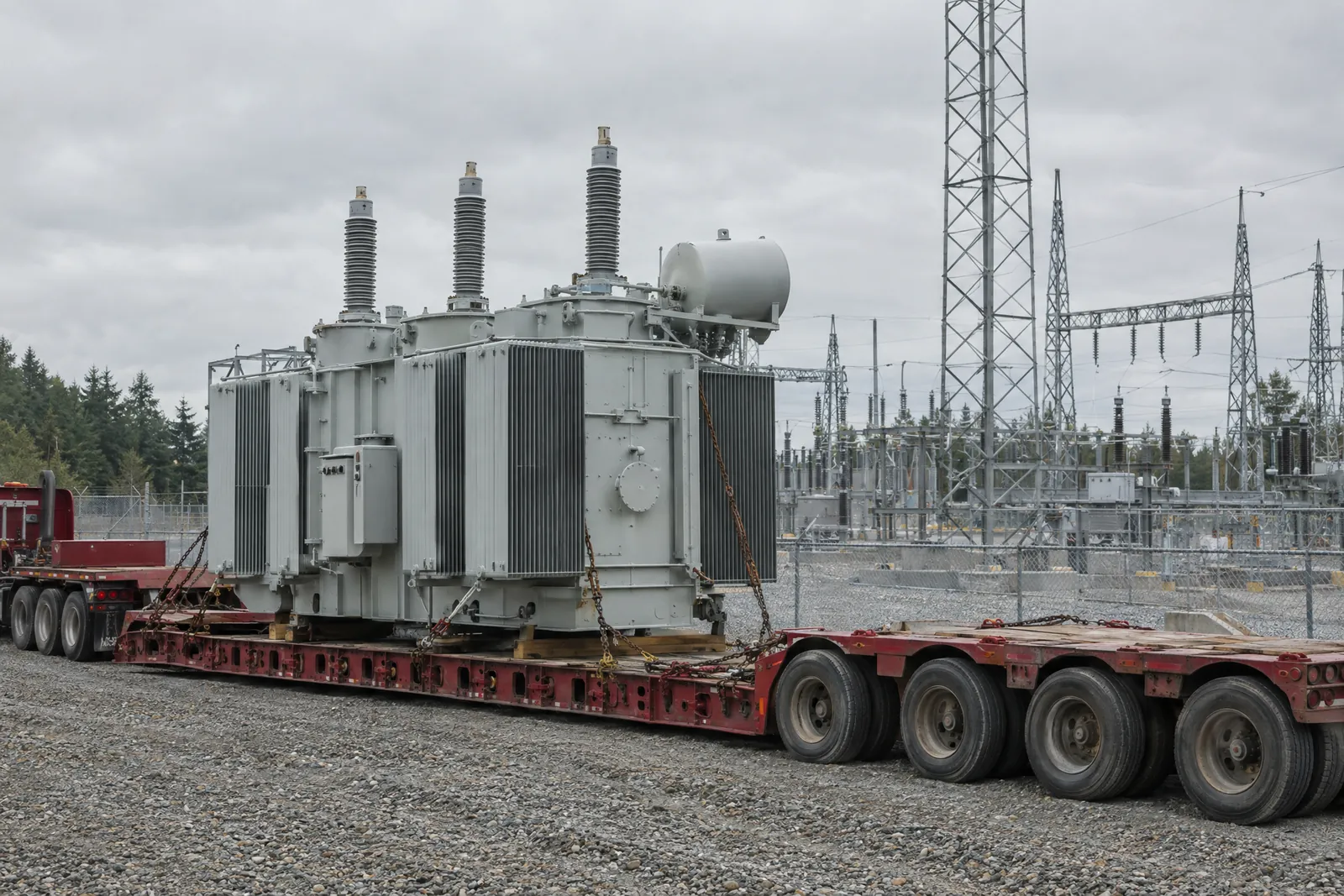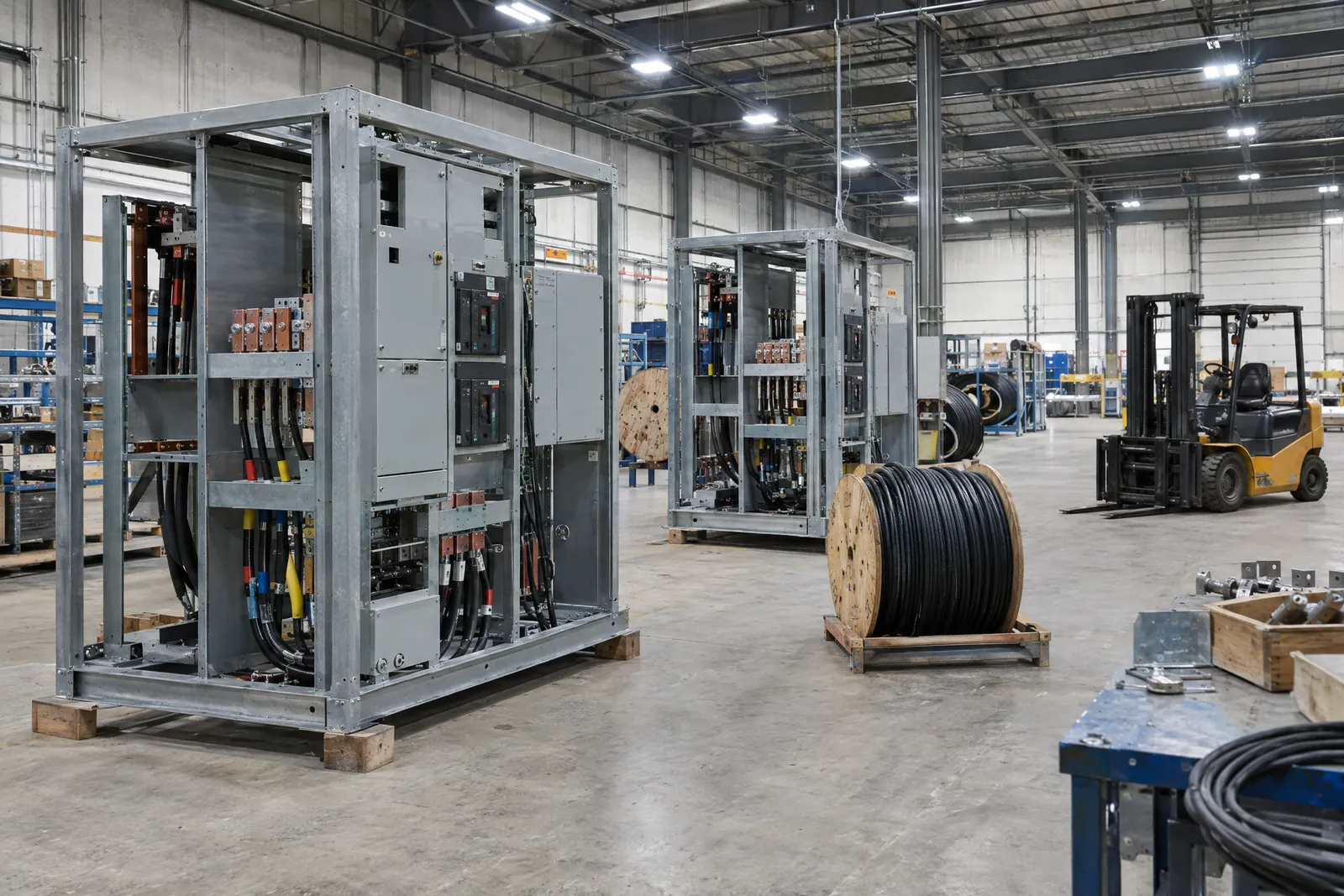
In January 2026, Eaton and Flexnode announced a collaboration to offer turnkey prefabricated AI infrastructure from 3.5 to 35 megawatts. This isn't an isolated announcement: it's part of a broader pattern reshaping how enterprises can access modular infrastructure.
Major providers are creating standardized offerings that target the mid-market: organizations with significant AI infrastructure needs but not hyperscale budgets.
The Eaton-Flexnode Announcement
On January 28, 2026, Eaton expanded its modular data center offering through a collaboration with Flexnode. The partnership combines Eaton's 800 VDC power infrastructure with Flexnode's modular construction expertise.
| Deal detail | What was announced |
|---|---|
| Capacity range | 3.5 MW to 35 MW prefabricated modules |
| Integration | Eaton 800 VDC power infrastructure with Flexnode construction |
| Product | Flexnode NX Compute Module |
| Target | High power density AI workloads |
Source: Business Wire, January 28, 2026
Other January 2026 Deals
The Eaton-Flexnode announcement is part of a broader pattern of significant infrastructure deals in early 2026:
- Nscale
- $865 million
- Yondr Group
- 48 MW milestone
Nscale covers a 40 MW colocation facility in North Carolina.
Yondr Group covers a data center completion in Loudoun County, Virginia.
Source: Data Center Knowledge: New Data Center Developments, January 2026
The Emerging Pattern
Across these announcements, several consistent themes emerge:
1. Standardized Prefabricated Modules
Major providers are creating standardized, factory-built modules rather than custom solutions. This enables predictable pricing, faster deployment, and consistent quality.
2. Targeting the middle of the market
The announcements focus on organizations that need more than the smallest prefabricated class and are not planning a hyperscale campus. The 3.5 to 35 MW Eaton-Flexnode range is the example these partnerships actually name.
3. Speed as Primary Value Proposition
Every announcement emphasizes deployment speed. Vertiv's deployment analysis describes modular construction as about 85 percent faster than stick-build. That is the vendor's claim, and it is the line these partnerships lead with. A factory advertisement still waits on transformers and the interconnect.
Source: Vertiv deployment analysis
Why This Matters for Enterprise Teams
These partnerships create new options for mid-market enterprises. Previously, prefabricated solutions were either too small (container-scale at 500 kW to 2 MW) or required hyperscale commitments (50 MW and above).
| Scale | Approach | Timeline |
|---|---|---|
| 500 kW to 2 MW | Container modules | Advertised in weeks |
| 3.5 MW to 35 MW | Prefab partnerships (Eaton-Flexnode) | Advertised in months |
| 10 MW to 50 MW | Colocation / Build-to-suit | Often quoted at 6 to 12 months |
| 50 MW and above | Traditional construction | 18 to 24 months |
The timeline column collects vendor advertisements and common planning quotes. It is not a set of measured ready-for-service dates. "Container" here is the industry name for the small prefabricated class.
Evaluation Framework
When evaluating these new modular options, consider:
| Focus | Question to evaluate |
|---|---|
| Timeline | Does your deployment need favor modular speed or traditional construction flexibility? |
| Power density | What rack densities do your AI workloads require? Does the solution support liquid cooling? |
| Location | Is the site suitable for prefabricated delivery and installation? |
| Scale | Does your capacity requirement align with available modular offerings? |
| Growth | How does the modular approach support future expansion? |