If you've tried to deploy GPU infrastructure in a traditional colocation facility or considered building your own data center, you've probably encountered unexpected challenges: power density limits, inadequate cooling, months-long equipment lead times, and facilities that simply weren't designed for the thermal output of modern AI accelerators.
As AI infrastructure spending reaches $1.5 trillion in 2025 and is projected to exceed $2 trillion in 2026 (Gartner, September 2025), understanding the true total cost of ownership has never been more critical.
The Cost Overrun Reality
Recent industry data reveals a concerning pattern: 98% of megaprojects face cost overruns or delays with an average cost increase of 80% (Construction Cost Overrun Statistics, 2025). For data centers specifically, the Uptime Institute's 2025 Global Data Center Survey found that 38% of operators are "very concerned" about cost issues, marking the third consecutive year cost concerns have topped the list.
The Real Cost Breakdown
Visible Costs (What Gets Budgeted)
According to Cushman & Wakefield's 2025 Data Center Development Cost Guide, standard data center construction costs range from $8 to $12 million per megawatt, with an average of $11.7 million across 19 U.S. markets. The same report notes that AI-optimized facilities with enhanced cooling and power distribution can reach $20 million or more per MW.
| Component | Cost per MW |
|---|---|
| MEP Systems (50% of total) | $4 to $6M |
| Building Shell and Infrastructure | $2 to $3M |
| Power Distribution Systems | $2 to $3M |
| Advanced Cooling (AI-grade) | $1.5 to $2.5M |
Components overlap: power distribution and cooling sit inside MEP on many builds, so the lines above show scale, not a sum. The Cushman & Wakefield range for standard construction is $8 to $12 million per MW, as cited above.
Hidden Costs (What Breaks Budgets)
1. Equipment Lead Times and Cost Escalation
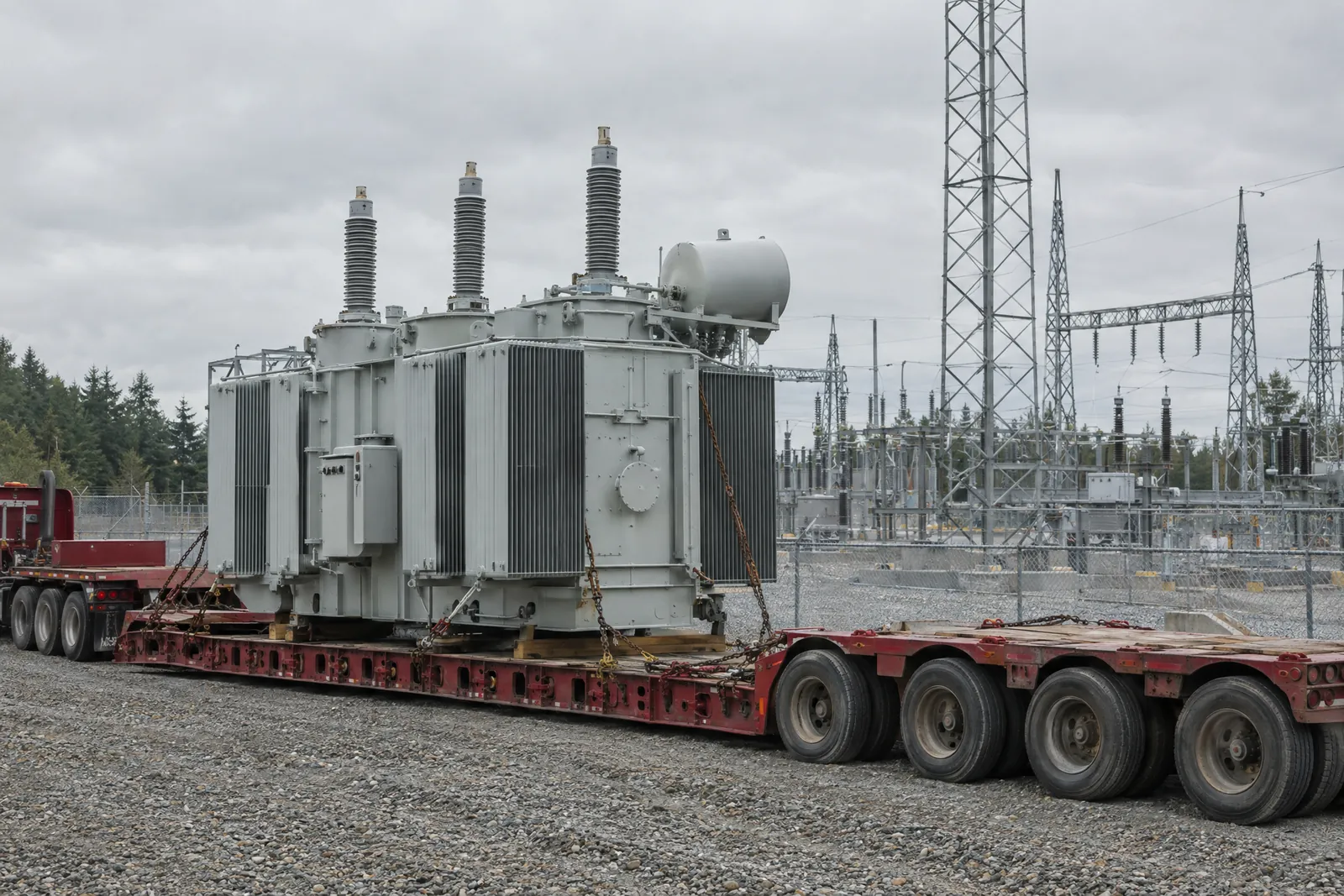
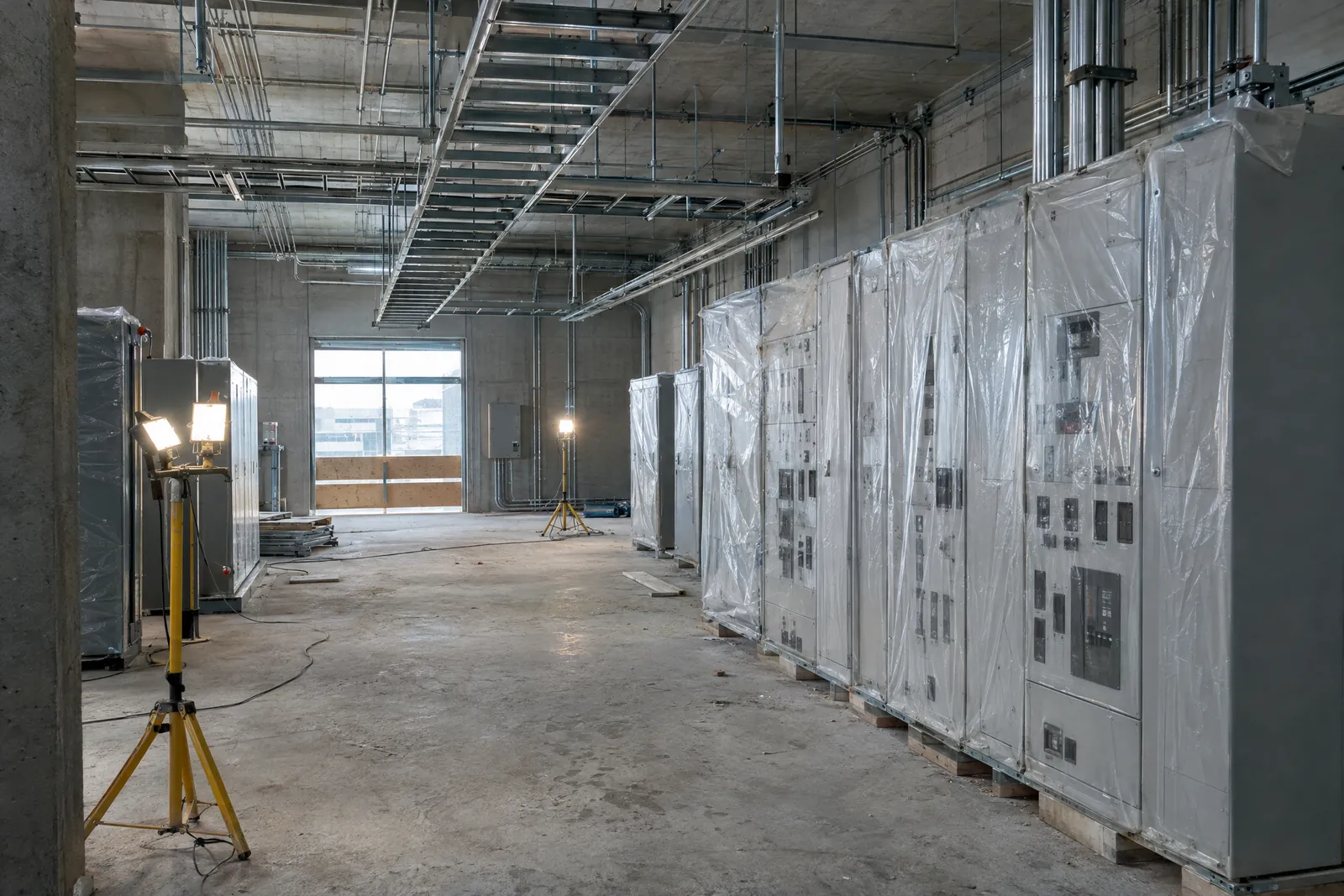
The Uptime Institute's 2025 survey reveals that critical components like massive generators, custom-built switchgear, large-capacity chillers, and specialized UPS units often have lead times stretching from 12 to 18 months, sometimes even longer.
Since Q3 2021, equipment costs have risen sharply:
| Equipment | Cost increase since Q3 2021 |
|---|---|
| Switchgear | +50% |
| UPS Systems | +48% |
| Generators | +45% |
| Transformers | +44% |
| Chillers | +40% |
2. Design and Execution Complexity
Errors in MEP (mechanical, electrical, and plumbing) systems are the most common cause of rework, cost overruns, and delays in bringing facilities online, according to Uptime Institute research. AI-specific requirements compound this complexity:
3. Opportunity Cost and Timeline Delays
While visible costs and overruns are painful, the largest hidden cost is often opportunity cost. With AI-optimized Infrastructure-as-a-Service spending projected to grow from $18.3 billion in 2025 to $37.5 billion in 2026 (Gartner, October 2025), more than doubling in a year, every month of delay represents lost market opportunity.
The 2026 Market Reality
Gartner's latest forecast (October 2025) projects datacenter systems spending will rise 46.8% in 2025 to $489.5 billion, and will grow 19% in 2026 to $582.4 billion. This unprecedented growth is driven by AI workloads, which now account for 84.1% of total AI spending in cloud and shared environments.
Alternative Approaches
Modular Deployment Advantages
Modular data center infrastructure addresses many of the hidden costs that plague traditional builds:
Recommendations for 2026
- Honestly Assess Internal Capabilities. Do you have data center construction and operations expertise? Can you absorb 80% cost overruns? Will 12 to 18 month equipment lead times impact your timeline?
- Calculate True Total Cost of Ownership. Include opportunity costs, delay probabilities, and equipment price escalation. Size the contingency to the cost overrun data above.
- Consider Hybrid Approaches. Modular for speed and initial capacity, traditional for specific long-term needs, cloud for burst capacity and geographic distribution.
- Focus on Core Competency. Is infrastructure your differentiator, or is it AI model development and deployment? Allocate capital and team resources accordingly.
Conclusion
The hidden costs of DIY AI infrastructure extend far beyond initial construction budgets. With 98% of megaprojects facing cost overruns averaging 80%, equipment lead times of 12 to 18 months, and AI infrastructure spending doubling year-over-year, the decision of how to deploy infrastructure has never been more critical.
Smart enterprises are choosing speed and certainty over the illusion of control. In a market growing from $1.5 trillion in 2025 to $2 trillion in 2026, every month of delay represents not just construction costs, but lost competitive advantage.