The decision is not about whether AI infrastructure is necessary. According to Gartner, global AI infrastructure spending will reach $280 billion in 2026. The question is which deployment path matches your timeline, risk tolerance, and operational capabilities.
This analysis compares three deployment models using objective criteria: deployment timeline, capital requirements, operational complexity, risk profiles, and total cost of ownership. The goal is decision support, not advocacy. Each model serves different organizational needs.
The Three Deployment Models
Traditional Data Center Build
- Timeline
- 18 to 24 months
- CapEx range
- $8 to $12M per MW
- Operational model
- Full ownership
Timeline is from site selection to operational, plus land acquisition. Operational model means complete management responsibility.
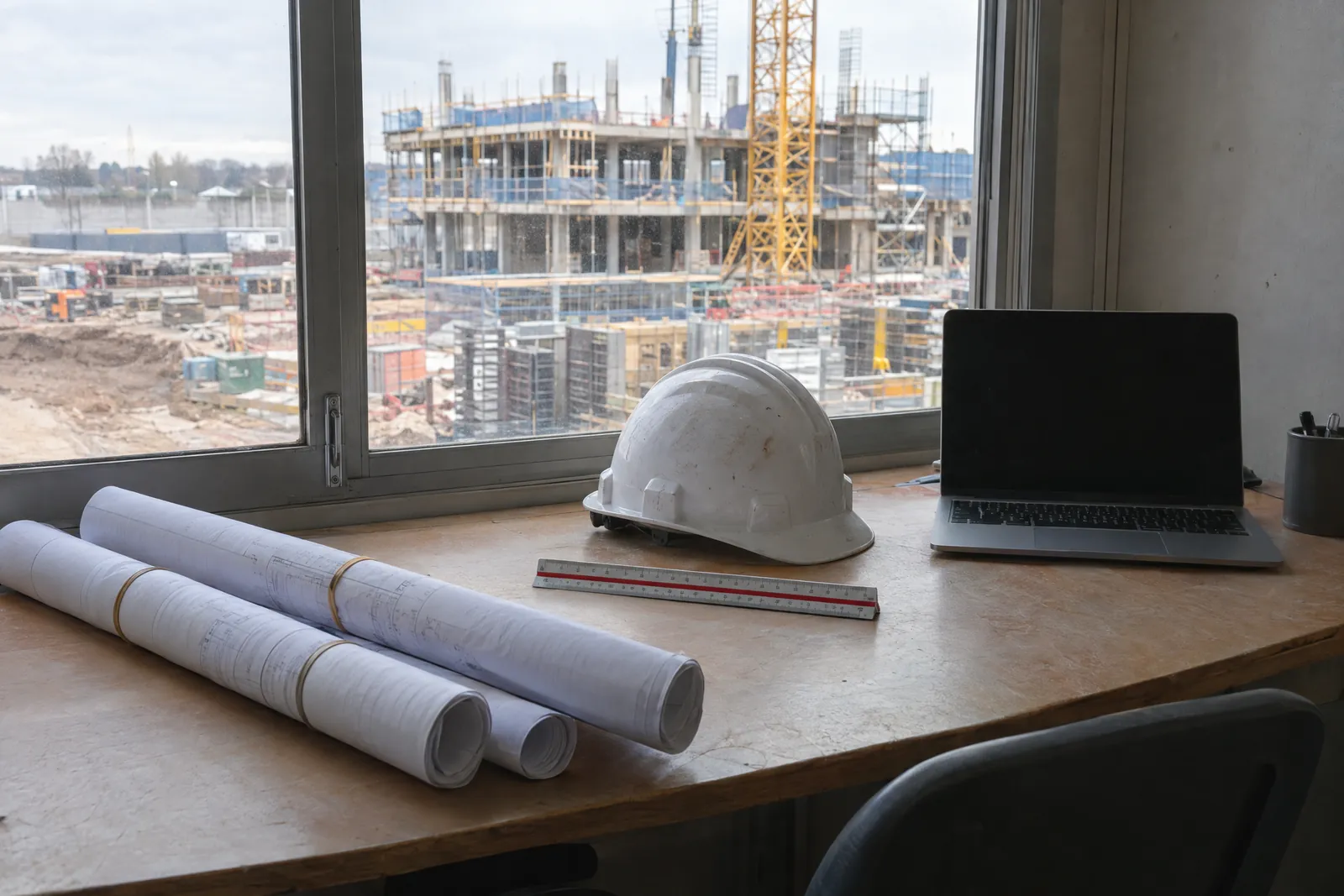
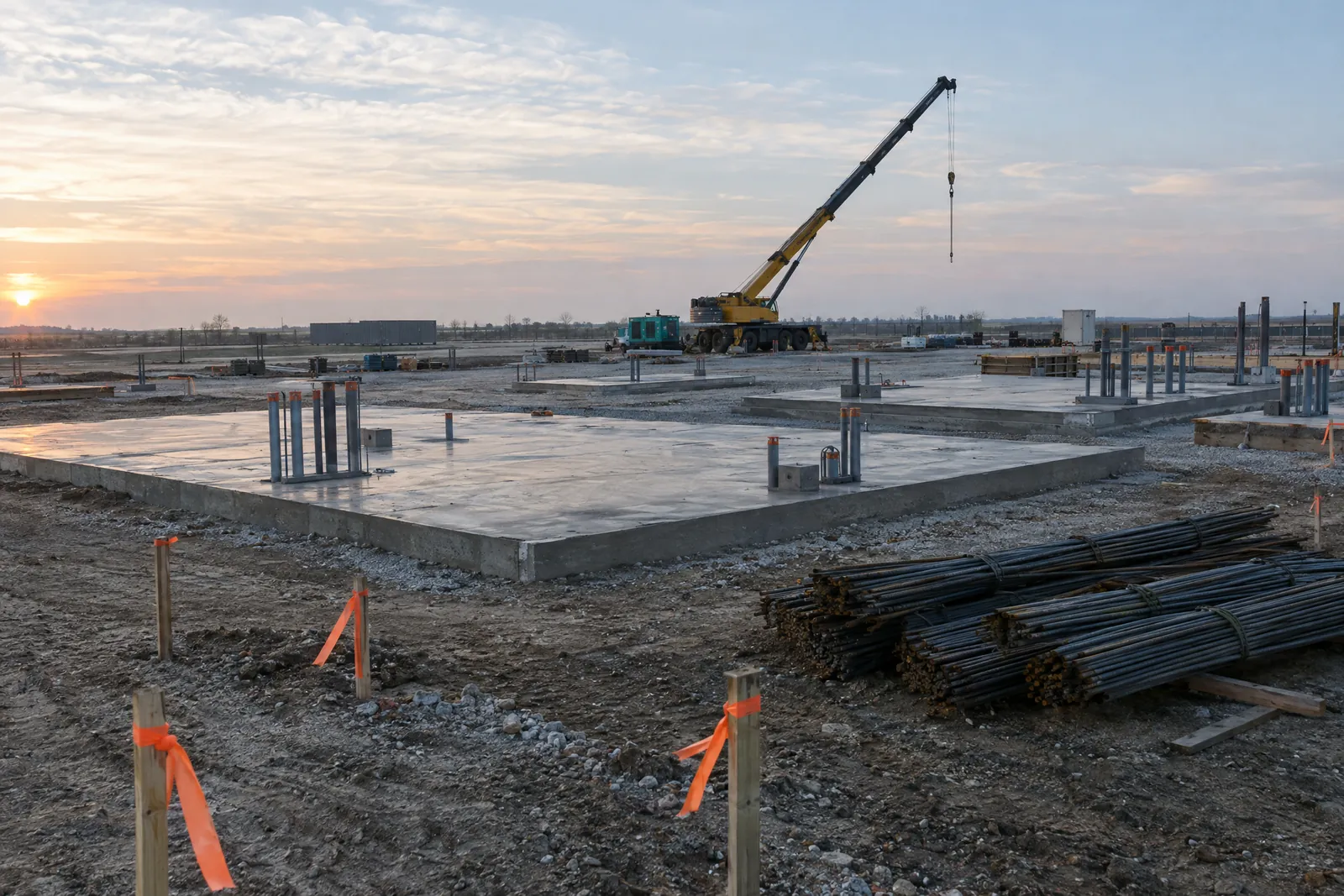
Traditional builds involve site acquisition and permitting (3 to 6 months), facility construction (12 to 18 months), equipment procurement with 12 to 18 month lead times, and testing and commissioning (2 to 4 months).
The Uptime Institute's 2025 Global Data Center Survey found that 73% of traditional builds exceed their original timeline by 6 or more months. Research on megaprojects shows 98% exceed budgets, with average overruns of 80% above original estimates.
Modular Data Center Deployment
- Timeline
- 4 to 8 months
- Cost basis
- Varies by scope
- Operational model
- Owned infrastructure
Timeline is from order to operational. Site scope and equipment reservation determine cost. The operational model is internal or managed service provider managed.
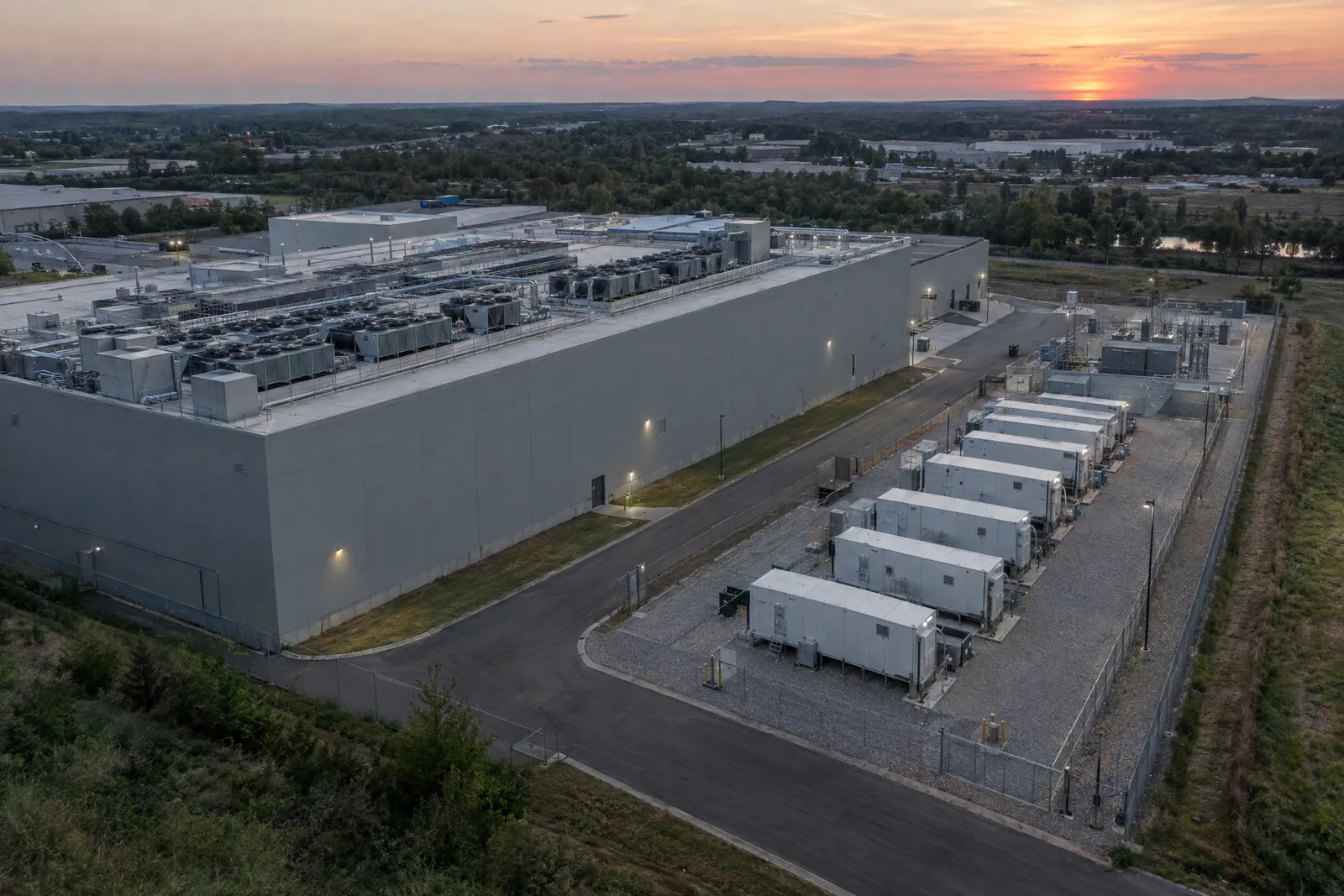
Factory build and site preparation run in parallel, with delivery, installation and testing to follow. On current schedules that puts ready for service at 4 to 8 months from order, depending on equipment reservation and site readiness. Modules arrive factory-tested with integrated cooling, power distribution, monitoring, and fire suppression.
Enterprise Colocation
- Timeline
- Rack-ready space
- Cost basis
- Varies by market
- Operational model
- Leased capacity
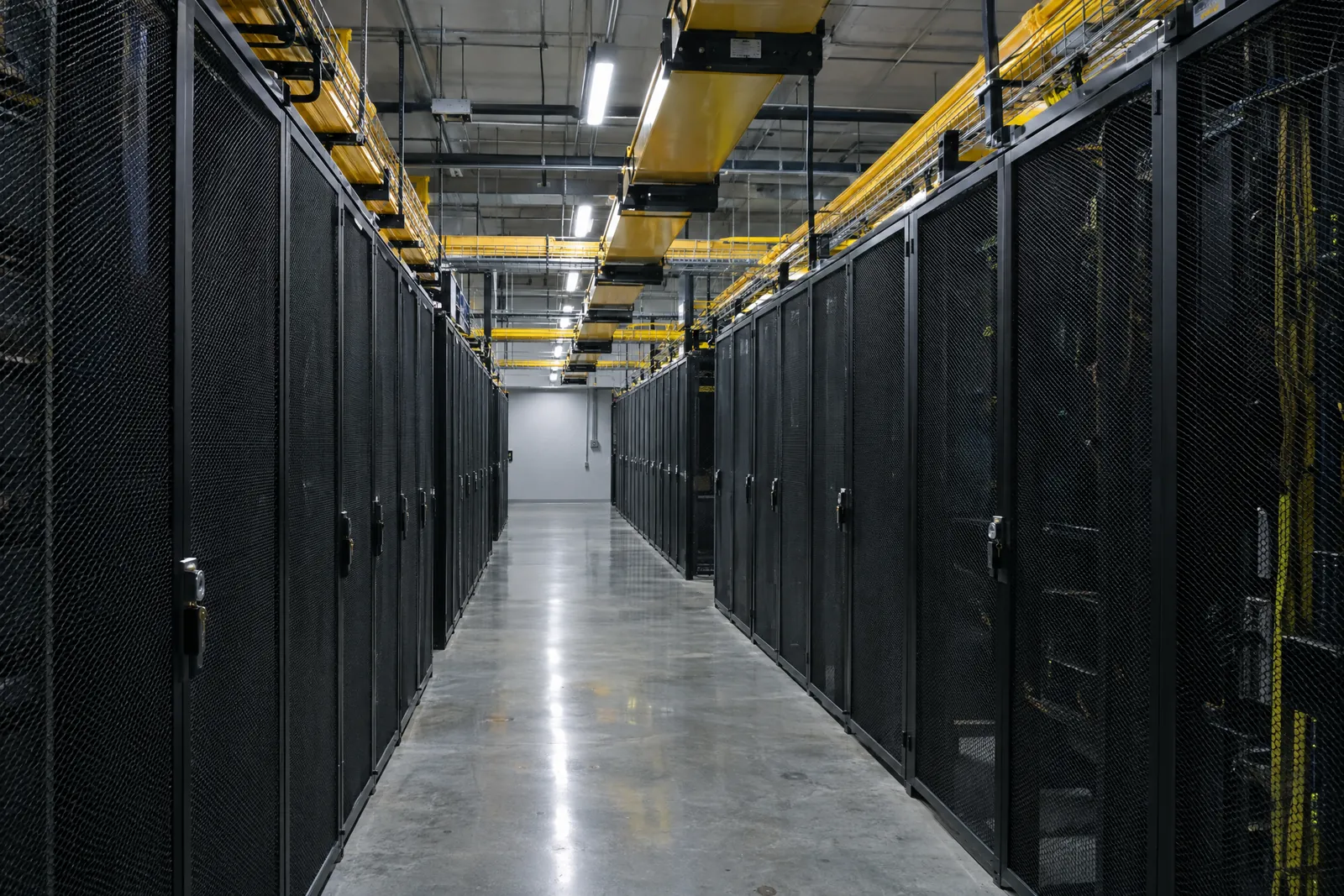
Where rack-ready space already exists, timing depends on that space. A Syaala colocation position is 4 to 8 months from Service Order, by position. Monthly charges depend on density, term and services included. Facility management is included in the leased model.
Colocation shifts risk from customer to facility operator. The operator owns responsibility for power redundancy, cooling capacity, physical security, and environmental monitoring. Deployment requires contract negotiation, equipment shipping, rack installation, and network provisioning.
Decision Matrix Framework
Timeline Comparison: Speed to Production
| Stage | Traditional Build | Modular Data Centers | Colocation |
|---|---|---|---|
| First stage | Site acquisition: 3 to 6 months | Configuration: scope and site fit confirmed | Contract execution |
| Build stage | Construction: 12 to 18 months | Manufacturing: factory build | Equipment shipping |
| Parallel stage | Equipment lead times: 12 to 18 months | Site prep: site preparation, in parallel with the factory build | Installation |
| Final stage | Testing: 2 to 4 months | Installation: delivery and installation, then commissioning and testing | Custom configs, where required |
| Total | 18 to 24 months | 4 to 8 months | Where rack-ready space already exists |
For a traditional build, a January 2026 start points to operation in the third to fourth quarter of 2027. For modular, order to ready for service is 4 to 8 months, depending on equipment reservation and site readiness. For colocation, timing depends on available rack-ready space and fit-out scope. A Syaala colocation position is 4 to 8 months from Service Order, by position.
Total Cost of Ownership Analysis
Total cost varies with site scope, density, power price and contract length, so comparisons need the same written scope for each model.
Risk Profiles: What Can Go Wrong
Decision Framework: Use Case Mapping
When to Choose Each Model
Conclusion: Matching Strategy to Context
The "best" infrastructure deployment model depends on organizational context, not abstract criteria.
| Decision type | Read |
|---|---|
| Timeline-Driven Decisions | On a months-long timeline: modular and colocation only. Traditional builds started in early 2026 deliver in 2027 to 2028. |
| Cost-Driven Decisions | Costs vary by scope and term for every model. Colocation places facility capital with the operator. Traditional carries the highest overrun exposure in the megaproject data cited above. |
| Risk-Driven Decisions | Colocation transfers facility risk to operators. Modular reduces construction risk. Traditional carries maximum execution risk. |
| Capability-Driven Decisions | Organizations with deep facilities expertise can operate traditional or modular. Those without should default to colocation. |
The 2026 infrastructure market favors speed and certainty over long-term cost optimization. Organizations that secure capacity sooner capture market opportunity while competitors wait for traditional builds to complete in 2027 to 2028.
Evaluate based on your constraints: timeline, capital availability, risk tolerance, and internal capabilities. The decision matrix provides framework, but your specific context determines the optimal path.